In short. When income varies, don’t budget on your best month. Start from your weakest month, pay yourself a regular amount from a buffer account, set aside tax and contributions as soon as money comes in, and keep good months to grow your cushion.
Variable income is common
According to Insee, France’s statistics office (Insee Première no. 2060, 2023 income, published June 2025), micro-entrepreneurs make up about 51% of non-agricultural self-employed workers. Their average monthly income is €680 (for those who are economically active) and the median is €340 (zero incomes excluded), against €4,040 on average for other self-employed workers. These figures hide very different situations, but they show many people must cope with low and changing income.
Step 1 — Start from your weakest month
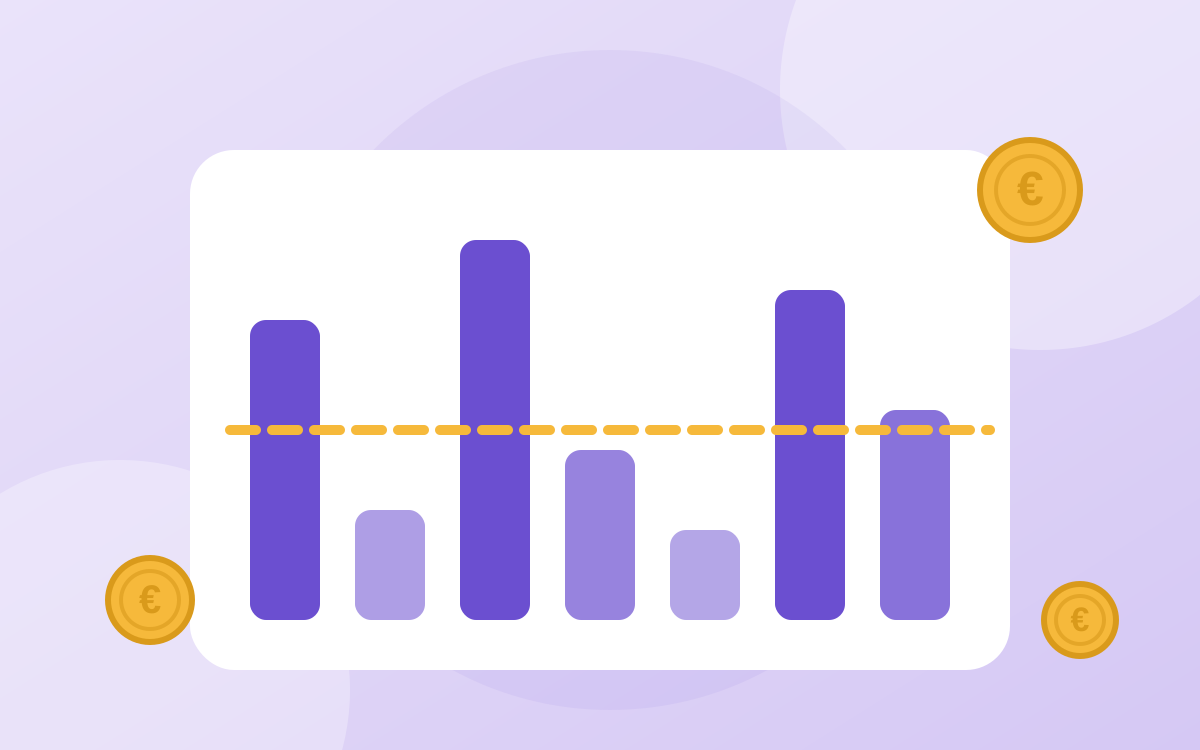
Look at the last 6 to 12 months and find the lowest. That is your budget base: fixed costs, groceries, transport. Anything above it is a bonus, not a given.
Step 2 — Pay yourself a regular “salary”
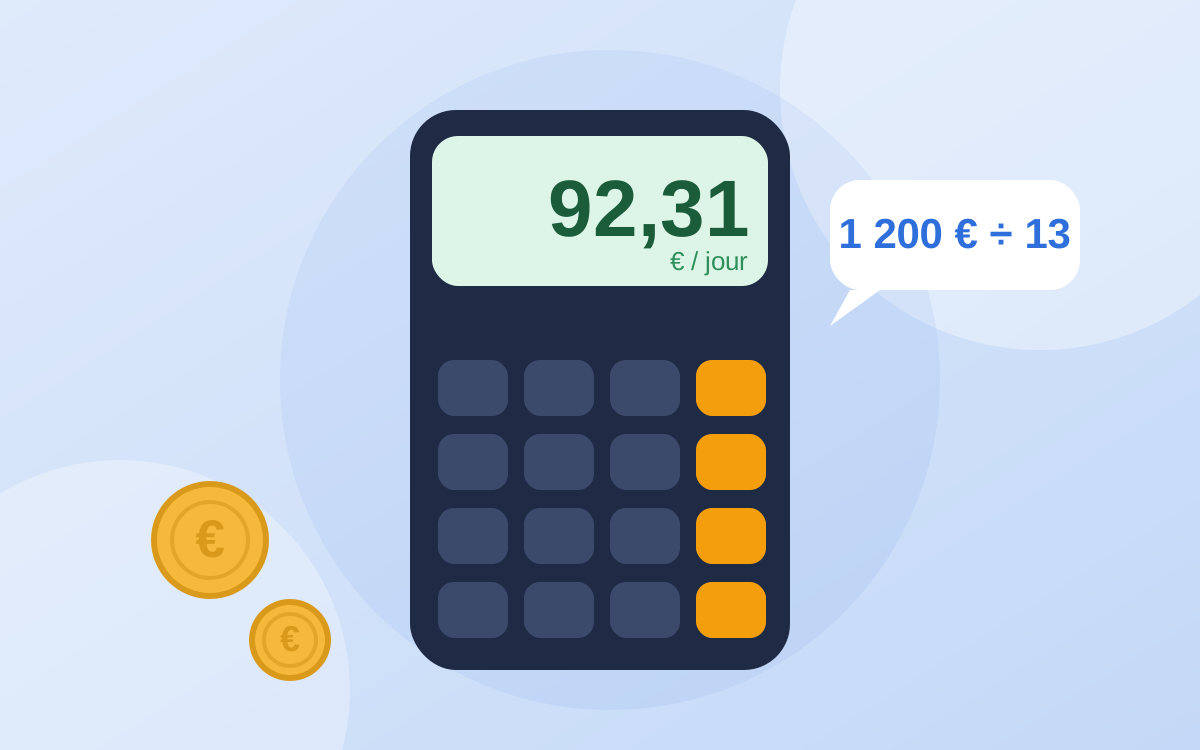
Deposit every payment into a buffer account, then transfer yourself a fixed sum on a fixed date. Good months feed the buffer, lean months drain it. You get a payday rhythm again, so a stable daily amount. The calculation is explained in the article on daily spending.
Step 3 — Set aside tax and contributions right away
Not everything that lands in your account is yours: contributions and tax will come later. Reserve their share at each payment, at the rate matching your status (ask your authority or accountant), in a separate pot you leave alone.
Step 4 — Aim for a bigger cushion
With irregular income an emergency fund matters even more. The commonly cited range of 2 to 6 months of income applies: aim for the upper end. We explain how to build it here.
Step 5 — Decide in advance what a very good month is for
A simple rule avoids spending it all: for example, a third to the buffer, a third to savings, a third for you.
What Pockeo does for you
In Pockeo you enter the income you’ve set yourself, your bills and your savings: the app works out what you can spend today and recalculates after every expense. A one-off payment is added as “extra income” without upsetting the rest. Everyday features are free and no bank link is needed.
Sources
In the interest of transparency: this article was written by Pockeo, the publisher of the app. The figures quoted come from the sources listed at the bottom of the page; the Pockeo features described are those of the app at the time of publication. This content is general information, not personalised financial or legal advice.