In short. Set a total budget before you book, split it into four items (transport, accommodation, on-site spending, surprises), save it month by month until departure and, while you’re away, think in a daily amount. Avoid financing your holiday from your everyday budget or with credit.
What people in France spend on summer holidays
According to the annual Cofidis survey carried out with CSA Research (published in June 2026), people in France plan an average summer holiday budget of €1,748, which is €287 less than in 2025. About 62% of them go away. The most telling figure is how it’s financed: 42% of holidaymakers dip into their everyday spending budget, 35% use their savings, 21% turn to consumer credit and 12% pay in three or four instalments.
In other words, many holidays are paid for afterwards, over the following months. A budget prepared in advance is exactly what avoids that.
Step 1 — Set the total budget before you book
Start from what you can actually set aside, not from the price of the trip you fancy. Take your monthly money left to live on (see how to calculate it) and decide what share goes to holidays. The total budget is then a ceiling, not an estimate.
Step 2 — Split it into four items
- Transport: tickets, fuel, tolls, parking.
- Accommodation: the easiest item to fix, because you know it when you book.
- On-site: meals, activities, souvenirs. This is the item that overruns most often.
- Surprises: keep 5 to 10% of the total aside. If you don’t use it, even better.
Step 3 — Spread the saving until departure
Divide the budget by the number of months before you leave: that’s the amount to set aside each month. A goal with a date, a target amount and a pace is much easier to keep than a vague intention. If you’re behind, there are only two levers: push back the date or lower the ceiling. There’s no third way without credit.
Step 4 — Once there, think per day
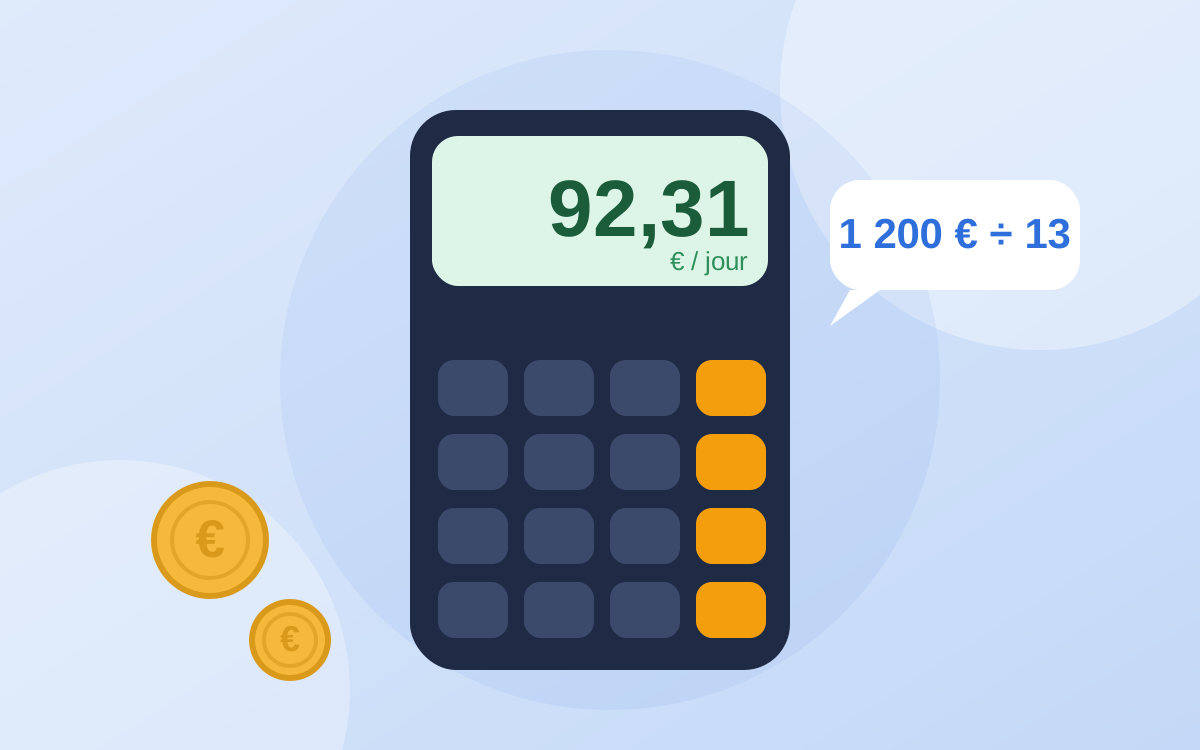
During the trip, divide the on-site budget by the number of days. A daily guide is more concrete than a total: you know immediately whether yesterday’s lunch has eaten tomorrow’s margin. A day over can be made up the next day; a rolling budget also lets you carry over what you didn’t spend.
The levers that really matter
- The destination: 61% of people choose somewhere closer to home to bring the bill down.
- The dates: shifting by a few days, away from the peak, often changes the price of transport and accommodation.
- Meals: cooking part of the time weighs more than giving up an activity.
What Pockeo does for your holiday
Pockeo’s savings projects have a target date: the app tells you whether your current pace gets you there in time, and by how much you’re off if it doesn’t. During the trip, today’s amount is recalculated with every expense, and you can add an expense by importing a screenshot. Pockeo asks for no access to your bank.
Sources
In the interest of transparency: this article was written by Pockeo, the publisher of the app. The figures quoted come from the sources listed at the bottom of the page; the Pockeo features described are those of the app at the time of publication. This content is general information, not personalised financial or legal advice.