In short. There’s no single model: everything shared, part shared, or each on their own. What matters is that you’ve talked about it, agreed a clear rule (50/50 or proportional to income) and review it from time to time.
How couples organize
According to a YouGov poll for MoneyVox carried out from January 3 to 7, 2025 among 2,020 people in France, 59% of respondents have a joint account with their partner, and 77% consult their partner before making a purchase. Among couples who pool only part of their income, 43% set each person’s share according to income and 40% choose equality (50/50). In other words there is no dominant rule: everyone builds their own.
The three most common models
- Everything shared: a single account, simple to follow, but it requires full trust and shared priorities.
- A joint account for shared costs: each person pays in a sum and keeps the rest for personal spending. It’s a middle formula.
- Each on their own: each pays their own expenses and you pay each other back as you go. More autonomy, but more accounts to keep.
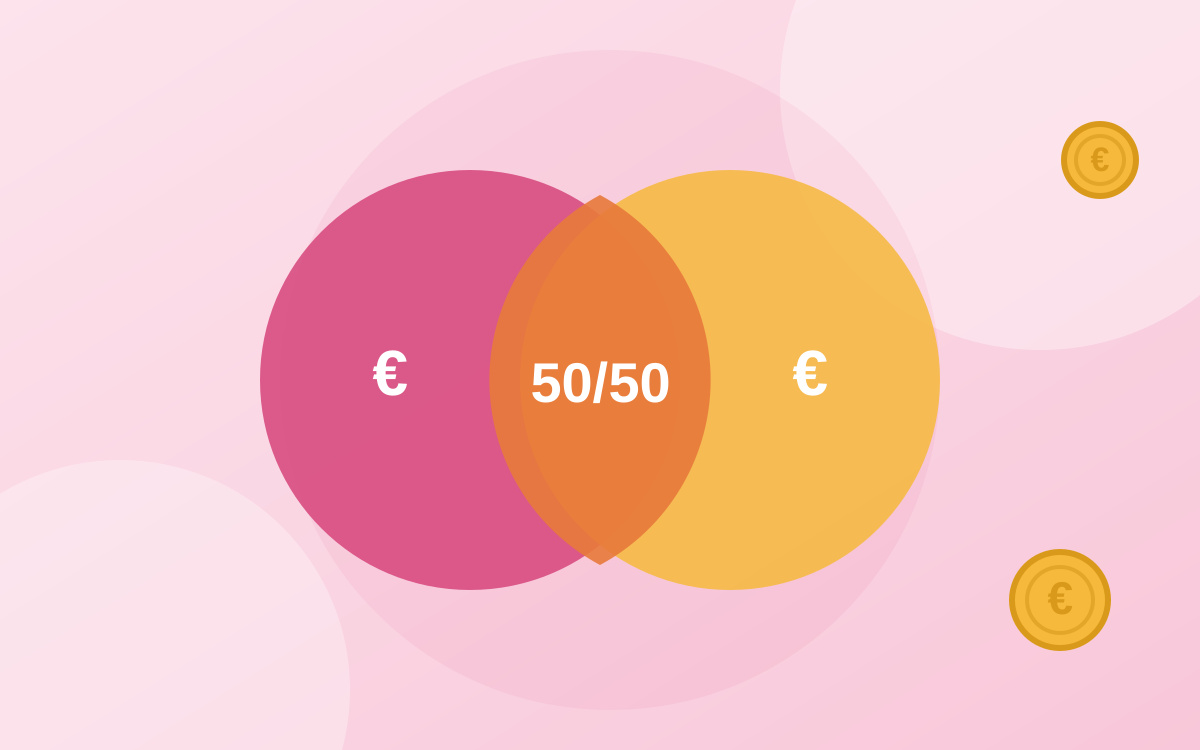
50/50 or proportional to income?
50/50 is simple and easy to explain. It becomes unequal when incomes are very different: the same sum doesn’t weigh the same for each person. Splitting in proportion to income takes a small calculation, but it shares the effort more fairly. Neither is better in itself: the right choice is the one both of you feel comfortable with.
Five rules to make it last
- Talk about it early, before the first rent or the first trip.
- List the shared costs: rent, energy, groceries, insurance, shared subscriptions.
- Plan a personal allowance for each of you, with no justification needed.
- Set a threshold above which you consult each other before buying.
- Review it every few months, and whenever income changes.
And with flatmates?
The same principles apply: a clear rule on shared costs, and above all a record of who advanced what. Small advances (groceries, an energy bill, cleaning products) are the first source of tension. We detail how to track them in the article on lending money to friends.
What Pockeo does to help you keep track
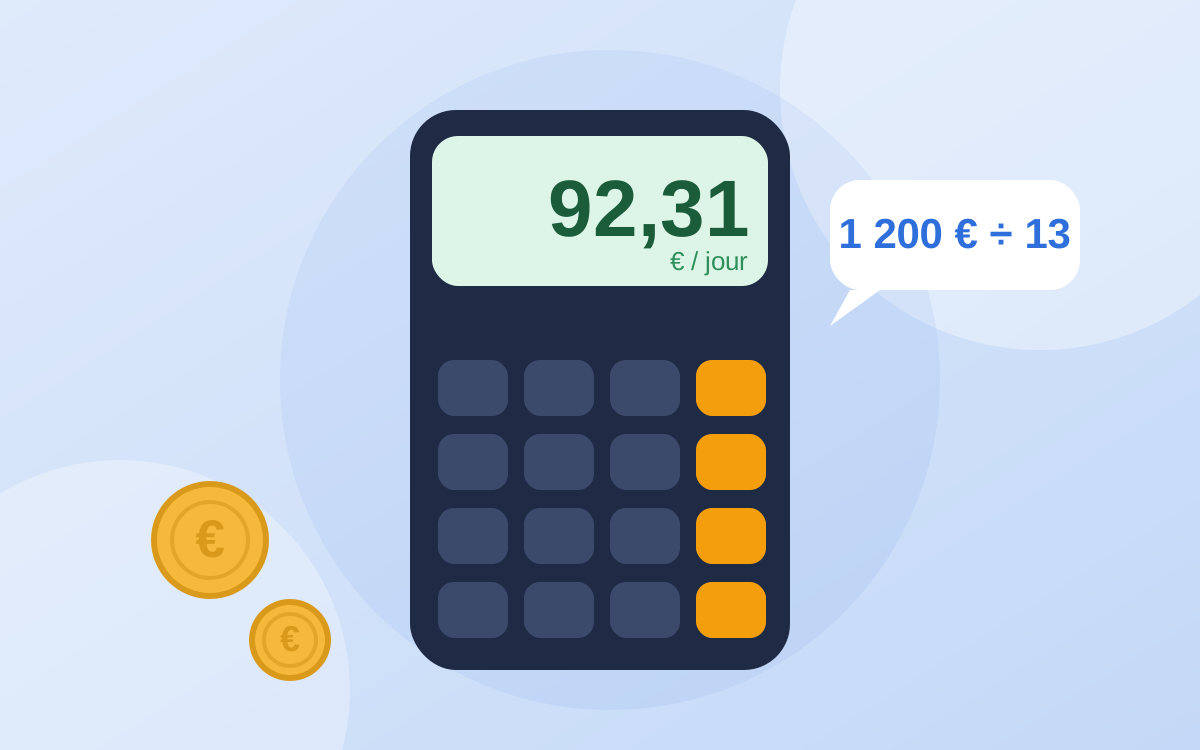
Pockeo is a personal budget: each of you can follow your own daily amount, with your income, bills and savings. And for advances between you, the debt and loan tracker ties each amount to a person and a date, so you see at a glance what’s left to get back or to pay back. No bank connection is needed.
Sources
In the interest of transparency: this article was written by Pockeo, the publisher of the app. The figures quoted come from the sources listed at the bottom of the page; the Pockeo features described are those of the app at the time of publication. This content is general information, not personalised financial or legal advice.